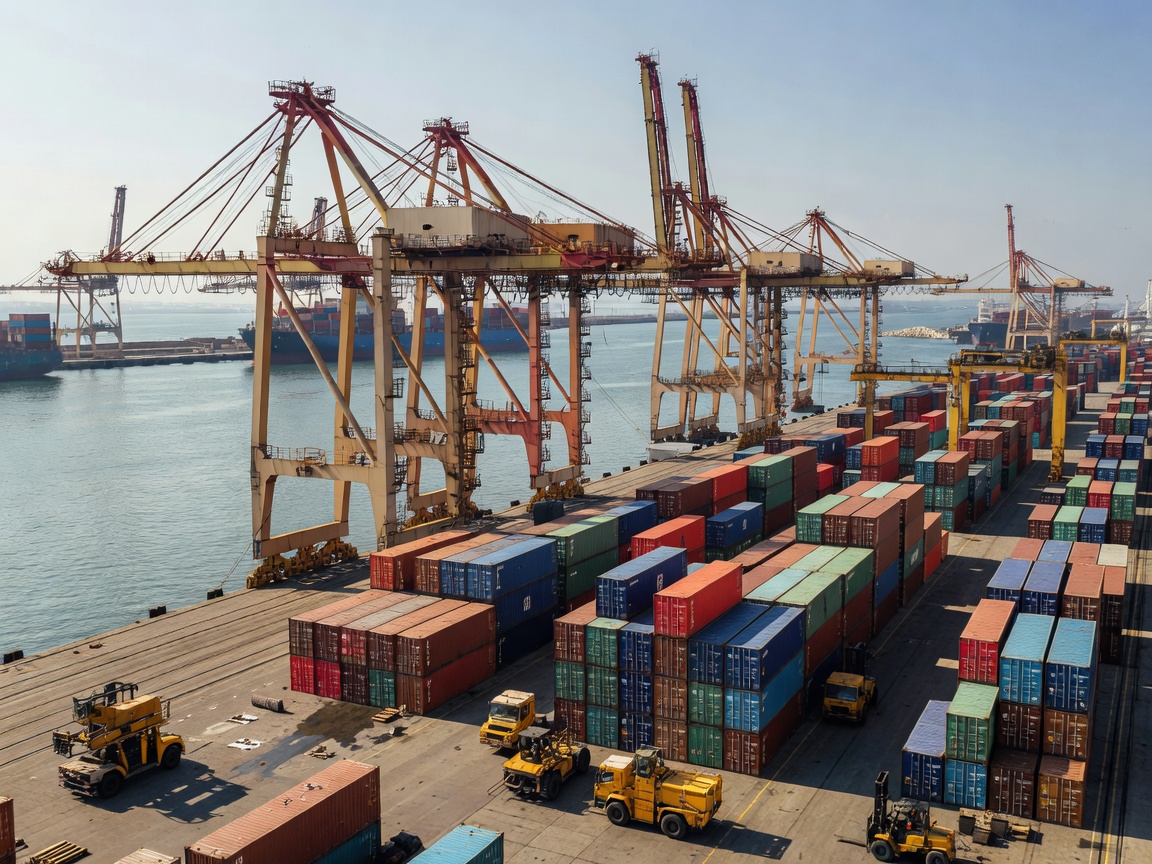
Port terminals as transfer systems
A port terminal links a vessel-side operation with land-based movement. The relevant facility, equipment and process depend on cargo type and local arrangements. A port location by itself does not establish that a terminal accepts a specific commodity, vessel interface or transport unit. Confirm capability and terms with the responsible parties before planning a movement.
Terminal functions can include discharge or loading, temporary storage, cargo inspection, unit handling, documentation checks and gate release. The order and scope of those functions vary. Build a process map from arrival notice through release to the inland carrier, then identify where information, custody and liability change hands.
Nordic coastal settings can connect sea routes to industrial and population centres, but the inland leg remains material. Road access, rail connections, yard processes and regional distribution influence the usefulness of a maritime gateway. Treat the port as one node within the full chain.
Cargo types and their operating implications
Container cargo: unitized loads need compatible handling, safe stacking, identification, release control and coordination with the inland mode. Container dimensions, weight, equipment and cargo restrictions affect suitability.
General cargo: non-containerized goods may require specific lifting, stowage, securing or weather-protection arrangements. Packaging and cargo presentation influence equipment needs and safe handling.
Ro-Ro: rolling cargo moves through a drive-on/drive-off interface where the unit and terminal process must be compatible. Confirm access, securing responsibilities, vehicle or cargo condition expectations and onward movement arrangements.
Bulk cargo concepts: loose commodities often call for dedicated containment, transfer equipment, environmental controls and product-specific procedures. Do not infer a terminal’s bulk capabilities without direct confirmation.
These categories are broad. A mixed or unusual shipment may need a tailored method statement, equipment plan, storage arrangement or regulatory review.
Storage, gates and vessel-to-land flow
Storage buffers cargo between vessel activity and collection. A workable plan identifies the permitted storage area, cargo identification method, release trigger, dwell assumptions and exception process. Storage is not a substitute for a confirmed onward carrier or a clear collection instruction.
Gate operations control movement between terminal and inland transport. Check vehicle registration or booking procedures, documentation, access constraints, safety rules and how the driver receives release information. The details are facility-specific; do not rely on general assumptions about opening hours or gate capacity.
At the vessel-to-land interface, timing and data have to align. Confirm shipment references, cargo status, handling sequence and how damage or discrepancy is recorded. For Ro-Ro or project cargo, clarify securing and handover responsibilities. For unitized cargo, reconcile identification across terminal, carrier and receiver records.
How cargo type changes the plan
| Factor | Questions to resolve | Why it matters |
|---|---|---|
| Handling | Which equipment and lift points are suitable? | Safe, compatible transfer between vessel and land |
| Storage | Does cargo need covered, segregated or controlled space? | Protects product and supports correct release |
| Scheduling | What sequence and collection coordination apply? | Avoids an unplanned wait or missed handoff |
| Documentation | Which shipment, customs and release records are required? | Supports traceability and movement authorization |
Inland connections and comparisons
Road can provide a flexible connection from terminal gate to receiver or another node. Rail can link a port-side terminal with inland freight corridors where a compatible service and transfer are arranged. Distribution centres can consolidate or reposition cargo after release. Each added node brings handling and coordination requirements.
Compared with air cargo, maritime terminals focus on vessel-related flows and cargo interfaces rather than airport cargo acceptance processes. Compared with rail terminals, ports coordinate a vessel-to-land boundary; rail terminals coordinate train loading and unloading. The right choice depends on shipment characteristics, route, cargo readiness and confirmed service arrangements—not a generic speed or cost claim.
Operational checklist
- Confirm that the terminal accepts the cargo type, unit and handling method.
- Document equipment, packaging, securing and storage requirements.
- Map vessel-side transfer, custody points, release conditions and gate steps.
- Align shipment references and required records across parties.
- Confirm road or rail collection arrangements and receiving acceptance.
- Plan a response for delay, damage, documentation mismatch or unavailable collection.
Keep current operating details tied to a named contact and date. Terminal procedures, availability and service scope are not assumed by this guide.
Key considerations
Port selection must be cargo-specific. A coastal position can be useful while the terminal’s handling scope or inland connection remains unsuitable. Confirm equipment, storage, gate processes, documentation and onward transport as a joined plan. Never substitute a regional overview for direct confirmation of facility capability.